Grizzly Bear Are Back and Want to Play the Deep Cuts
wizbuzz >> Uncategorized>> Grizzly Bear Are Back and Want to Play the Deep Cuts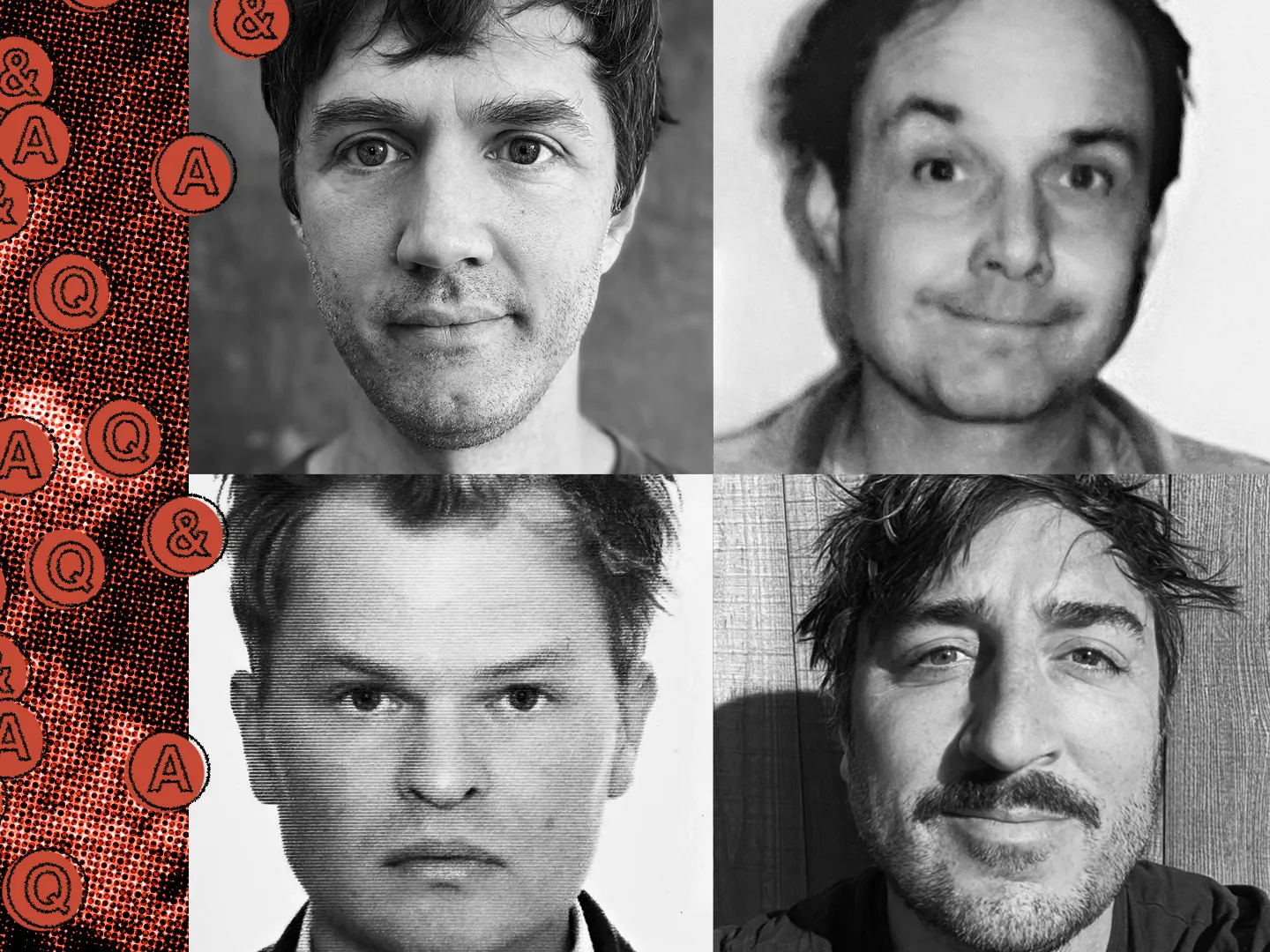
Grizzly Bear Are Back and Want to Play the Deep Cuts
This interview doesn’t read like a comeback announcement so much as a deep exhale. Grizzly Bear aren’t storming back with declarations or grand plans; they’re cautiously, almost tenderly, finding their way back to each other after years of quiet distance. Daniel Rossen and Chris Taylor talk about the band not as a machine that stopped working, but as a relationship that simply needed space. After Painted Ruins, everyone was tired—emotionally, creatively, existentially—and rather than forcing momentum, they let the band drift into stillness.
That time apart mattered. Each member kept living, kept growing: therapy degrees, film scores, solo albums, production work, parenthood. Music never disappeared, but it changed shape. When they finally reunited in a rehearsal room, it wasn’t fueled by ambition or industry pressure. It came from something much simpler and harder to fake: missing the feeling of playing together.
Relearning the songs has been awkward and moving in equal measure. Fingers forget. Memories blur. But what’s striking is how little resentment remains. The tension that once defined their working dynamic has softened, replaced by gratitude and curiosity. Without a new album to sell, they’ve given themselves permission to roam—deep cuts, rotating setlists, songs they barely understood the first time around. The shows feel less like performances and more like conversations with their past selves.
Rossen’s reflections are especially vulnerable. He speaks about music not as a career ladder anymore, but as something personal, almost private—still essential, but no longer demanding to be everything. Taylor, meanwhile, is unabashed in his devotion to the band: this is where he feels most himself, most alive. Their differing emotional relationships to Grizzly Bear don’t clash; they coexist, illustrating how fragile and rare it is for four people to want the same thing at the same time for as long as they once did.
What makes the article resonate is its honesty about aging in a creative life. There’s no panic about relevance, no anxiety about trends, no need to prove they still matter. If anything, Grizzly Bear seem freer now than they ever were at their peak—able to appreciate their own music without being crushed by it, able to listen to one another without the noise of expectation.
In the end, the return isn’t really about new songs or legacy. It’s about presence. Four people choosing, again, to be in a room together. To play. To listen. To remember why it worked in the first place—and to enjoy it while it lasts, without pretending it has to last forever.