Soulja Hate Repellant-Niontay
wizbuzz >> Press Release>> Soulja Hate Repellant-Niontay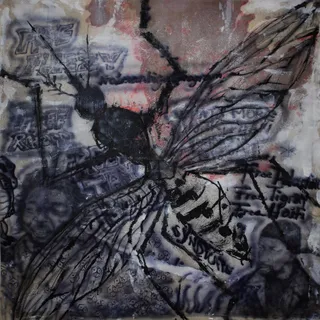
Soulja Hate Repellant-Niontay
Niontay is the most unpredictable and adventurous voice orbiting MIKE’s 10k label, alongside peers like Sideshow and Anysia Kym. Since his breakout posse cut “Real hiphop” with Earl Sweatshirt and MIKE, Niontay has leaned into a geographically unmoored sound shaped by his upbringing in Milwaukee and Central Florida and his current life in Brooklyn. His music fuses chipmunked, slurred flows with chirpy, off-kilter beats that blur Florida fast rap, Detroit cloud textures, and New York’s alternative underground.
On Soulja Hate Repellant, hosted by 454 under his Gatorface persona, Niontay doesn’t reinvent his style so much as push it into its strangest extremes. The mixtape is short, restless, and deliberately unfixed, bouncing between pregame-ready tracks like “100days100nights” and murky, blown-out cuts like “3am@Tony’s.” Producers including Harrison, Dylvinci, Laron, and Tony Seltzer provide minimalist, often skeletal backdrops that heighten Niontay’s frenetic delivery. The tape’s centerpiece is “Cressidaway!/TPGeeK,” where Earl Sweatshirt appears drenched in Auto-Tune, sounding unusually lethargic and signaling his continued interest in rap’s fringes rather than its traditional canon.
Ultimately, Soulja Hate Repellant is framed as Niontay’s most instinctive project yet—less tentative than Dontay’s Inferno and guided by 454’s curatorial hand rather than MIKE’s encouragement. Its loose, grab-bag structure can feel overwhelming or unfocused, but the article argues that this very looseness is its strength: a document of a rapper confidently taking wild creative swings, many of which land.
What’s compelling about this piece is how clearly it understands Soulja Hate Repellant not as a “project” in the album sense, but as a mixtape in the truest, messiest tradition. The writing resists the urge to discipline Niontay’s chaos into coherence; instead, it treats his excess—indecipherable bars, bizarre beat choices, sudden mood shifts—as intentional signals of an artist thinking faster than form can keep up.
The Earl Sweatshirt moment is especially well-read. Rather than framing Earl’s Auto-Tuned lethargy as stunt casting or decline, the article uses it to flip the generational hierarchy: Earl isn’t mentoring so much as learning, or at least listening. That idea—that Niontay and his peers are actively reshaping the possibilities of rap rather than merely inheriting them—feels like the piece’s quiet thesis.
If there’s a tension here, it’s the same one that defines Niontay’s music: accessibility versus instinct. The article acknowledges that the tape’s looseness may alienate newcomers, but it never apologizes for that. In doing so, it mirrors the mixtape itself—confident, slightly confrontational, and uninterested in sanding down its sharpest edges. As criticism, that alignment feels not just appropriate, but earned.