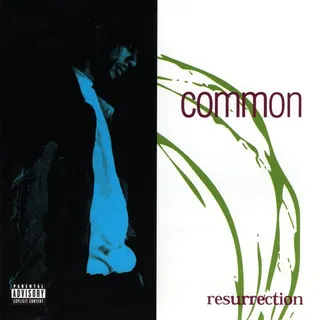
This article is a rich, elegantly argued appreciation of Resurrection and Common’s artistic emergence. Its greatest strength is its seamless blending of biography, musical analysis, and Chicago cultural history. Rather than recounting facts, the writer uses place—Lake Michigan as symbol and motif—to articulate how geography shaped one of hip-hop’s most introspective voices. The opening images are especially strong, reframing Chicago from stereotype to lived reality and positioning Resurrection as a sonic map of mid-’90s South Side life.
The analysis of Common’s growth is sharp and persuasive. The contrast between Can I Borrow a Dollar? and Resurrection is rendered with both humor and empathy, showing an artist fumbling for authenticity before discovering a style rooted in jazz, local identity, and emotional honesty. The exploration of No I.D.’s production is a highlight, explaining not just the album’s sound but how that sound emerged—from digging techniques to compositional philosophy. The author also excels at contextualizing the album within broader hip-hop shifts, from Dre’s G-funk dominance to Nas’ lyrical precision.
Most compelling is the treatment of “Nuthin’ to Do,” which the author positions as the album’s emotional core. Their argument—that Common provides a counter-narrative to media portrayals of Chicago as a warzone—is both historically grounded and politically sharp. The article navigates sociological and musical insight without preaching.
Where the piece wobbles slightly is in its treatment of “I Used to Love H.E.R.” The writer’s impatience with the song’s legacy (“a sly gimmick,” “mind-blown emojis”) will strike some readers as contrarian for its own sake. Still, the criticism is well-reasoned, even if overstated.
The long coda about Common’s subsequent career path is amusing and humanizing, though it risks diluting the tight focus of the earlier sections. Yet the closing image—the sun rising over Lake Michigan, unchanged despite Common’s transformations—beautifully anchors the essay in place and memory.