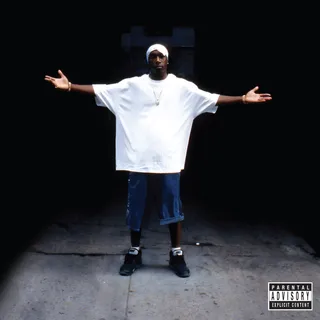
The nuanced examination of Big L’s posthumous release Harlem’s Finest: Return of the King, situating it within the broader context of his life and career. It balances admiration for Big L’s technical brilliance with critical scrutiny of the compilation’s execution. The writing vividly captures L’s charisma, lyrical genius, and the impact he had on peers like Nas and Jay-Z, while also dissecting how the album’s disjointed production, inconsistent tonal approach, and reliance on recycled freestyles hinder its effectiveness. The article effectively conveys the tension inherent in posthumous releases: the desire to preserve a legend’s legacy versus the challenges of creating a cohesive, meaningful record with limited material.
Big L (Lamont Coleman, 1974–1999) was a Harlem-born MC known for his razor-sharp, multisyllabic rhymes and commanding stage presence. He rose rapidly in the early ’90s, earning respect from hip-hop luminaries and preparing to become a central figure in New York rap before his untimely death at 24. Posthumous releases, including The Big Picture and later compilations, have attempted to showcase his talent, but Harlem’s Finest illustrates the limitations of this approach.
The album features a mix of lifted freestyles, reworked old verses, and modern guest contributions, but it struggles with tonal inconsistency, dated or haphazard production, and audio artifacts from low-quality source material. While tracks like “Fred Samuel Playground,” “How Will I Make It,” and the “7 Minute Freestyle” shine, much of the album feels hollow, serving more as a display of Big L’s technical skill than a fully realized artistic statement. The compilation risks diluting his legacy, offering little new insight into his artistry beyond what fans may already know from previous posthumous releases.
Harlem’s Finest is a flawed but occasionally rewarding homage to Big L’s legendary skill. For longtime fans, it offers high-quality recordings of familiar material; for newcomers, it is an uneven introduction that may not capture the full depth of his talent. The album underscores the challenges of posthumous curation, showing that even a legend like Big L cannot fully transcend the limitations of archival material.